Airbrush & Traditional Makeup- Bridal Questions Worth Asking
We've put together a makeup artist questionnaire and cheat sheet with the questions you should be asking before your wedding day. And because knowing what to ask is only half of it, we've included our own Beauty Asylum insight with each answer—what we recommend, what to look for, and what actually matters when choosing a makeup artist.
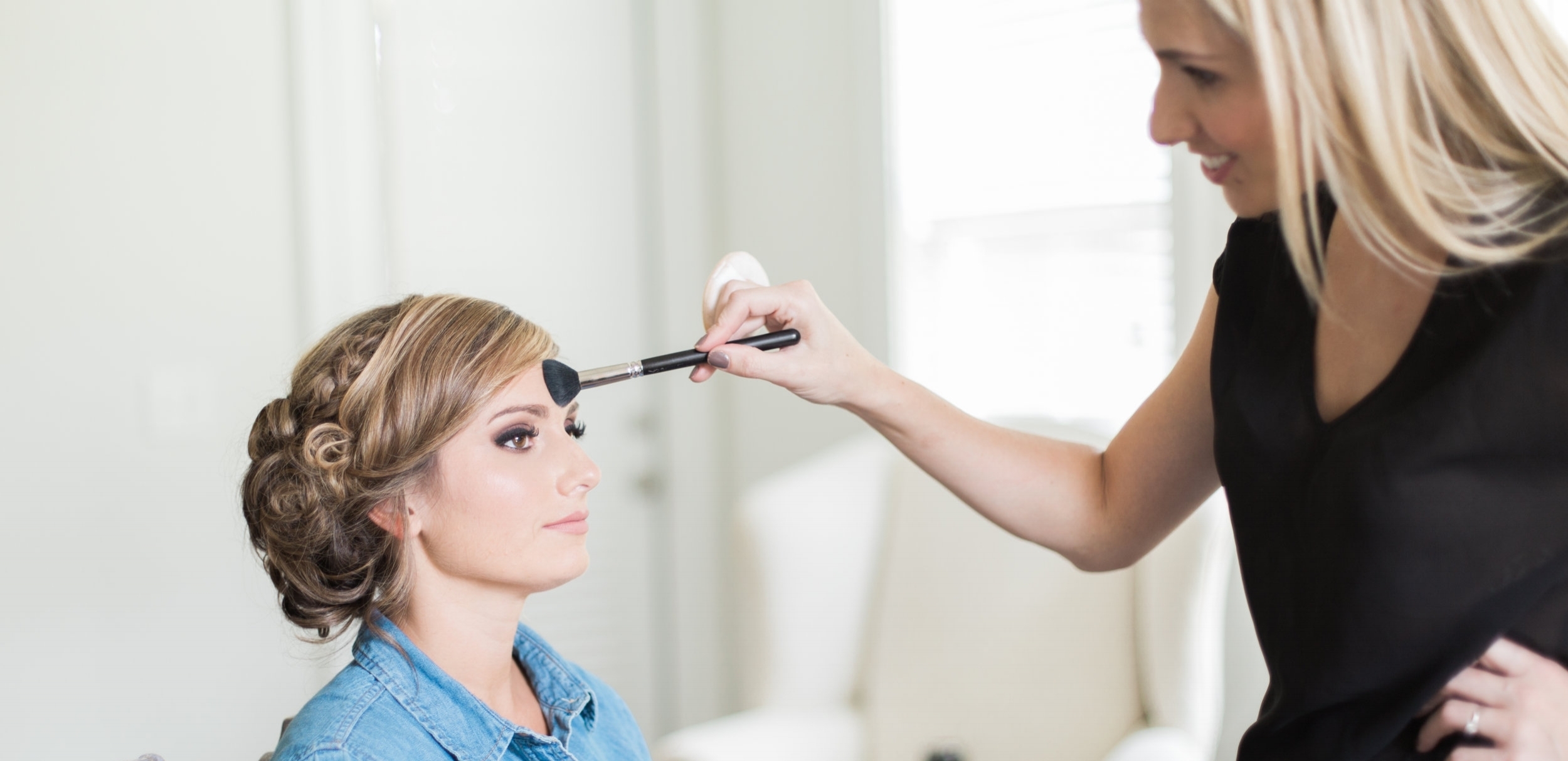
Casey Green Photography
-
The biggest difference is in the application. Airbrush makeup is applied in a fine mist, building coverage in thin layers, while traditional makeup is applied and blended directly into the skin using brushes, sponges, or other tools.
Both can create beautiful, long-wearing results. The better option really depends on your skin, the finish you're looking for, and—most importantly—the artist applying it.
-
Every artist has a technique they naturally gravitate toward. It's their comfort zone and usually where they have the most experience.
Rather than choosing airbrush simply because you've heard it's "better" for weddings, talk to your makeup artist about what they recommend for your skin and desired look. It's important to allow your artist to work with the technique they know will give you the best result. It will 100% show through their work.
-
Like anything, airbrush has a couple of drawbacks.
If you have a lot of facial hair or peach fuzz, airbrush may not always be the best option. Because the product is sprayed onto the surface of the skin in a fine mist, it can sometimes catch those tiny hairs—like morning dew—and make texture more noticeable.
Airbrush can also be less forgiving when it comes to making changes after the application is complete. Depending on the formula, layering additional complexion products or trying to heavily blend over the finished application can disturb the makeup underneath.
This doesn't mean airbrush can't be touched up. It just means you'll want to touch it up differently.
-
A makeup artist should begin by understanding your skin. Are you dry, oily, combination? How does your makeup typically wear throughout the day? From there, your artist can prep your skin and choose products based on both your skin type and the overall finish you're trying to achieve.
If you start to see a little shine as the day goes on, that's completely normal. The key is to blot rather than wipe. Use a blotting paper, tissue, or something absorbent and gently press it against the skin. Wiping or rubbing can disturb your coverage regardless of whether you're wearing airbrush or traditional makeup.
If you still need to reduce shine after blotting, a small amount of translucent powder can be lightly pressed onto the areas that need it.
-
Your normal cleansing routine should break down most airbrush formulas, but we recommend a double cleanse anytime you're removing a full face of makeup.
Start with an oil-based cleanser, cleansing balm, or makeup remover to break down your makeup, followed by your normal facial cleanser to remove any remaining product from the skin.
-
If you love traditional makeup, stick with it.
Traditional makeup is great for blending multiple products together. The workability allows your artist to work the product into the skin and seamlessly blend blush, bronzer, and highlight. When done properly, traditional makeup can create an amazing dewy, real-skin finish—or a completely matte finish—and it can easily be touched up throughout the day.
Where traditional makeup relies more on blending, airbrush relies on building coverage in thin layers. Neither is necessarily better. They're simply different techniques, and the result has far more to do with the artist behind the application.
-
Every makeup artist works a little differently, but most professional applications take somewhere between 45 minutes and an hour 15 or more depending on the look.
Thirty minutes is a little fast, IMO. If I'm hiring a makeup artist, I want time dedicated to the details and perfecting the look. That said, there are some pros who are incredibly efficient and can whip out a beautiful application in 30 minutes. Natural babes can absolutely have a complete look in thirty with the right artist.
At Beauty Asylum, we prefer 45 minutes for wedding party makeup and an hour for the bride. If we learn during the bridal trial that a particular look requires more time, we'll adjust the wedding-day timeline accordingly.
-
Lashes can make a big difference in photos by adding definition and helping the eyes pop.
Strip lashes—a full band of lashes—come in everything from dramatic to soft and pretty, but they are not as popular with modern application.
Individual lashes give your artist more control over placement and ‘mapping’ based on the shape of your eye. Individual lashes can be layered to create the desired effect.If you've never worn lashes before, individual or cluster lashes can be a great option. Your artist can customize the placement and fullness without necessarily giving you the feeling of wearing a full lash.
-
This is an important question to ask any makeup artist.
A professional artist should have enough clean, sanitized brushes to move between clients without using a contaminated brush from one person to the next. They should also have disposable applicators on hand—mascara wands, lip applicators, cotton swabs, sponges when appropriate, and anything else needed to keep the application sanitary.
Just as important is how products are handled. Mascara and lip products shouldn't be applied directly from the original applicator from one client to another, and cream or liquid products should be dispensed or removed from their containers in a sanitary way.
Cleanliness isn't an extra step in a professional makeup application. It's part of the service.